Your work focuses on converting fish processing waste into valuable products. What do you consider as your most important contribution in this area so far?
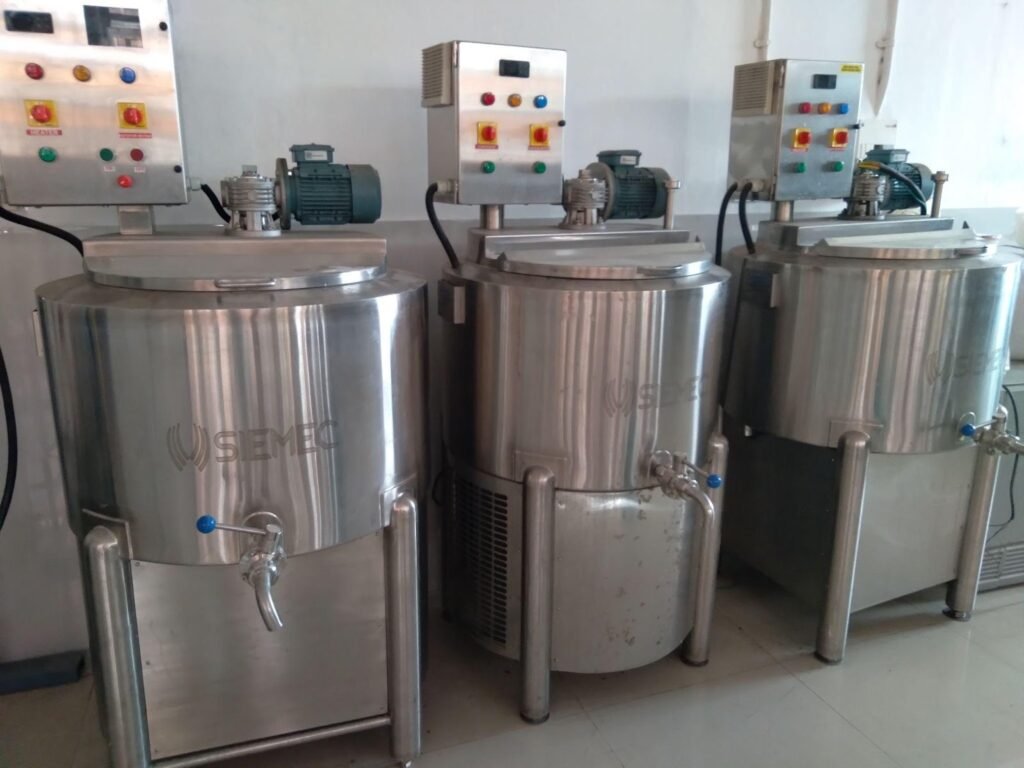
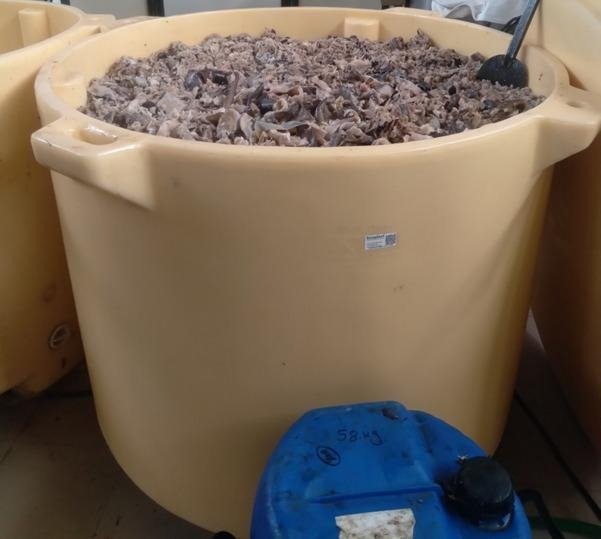
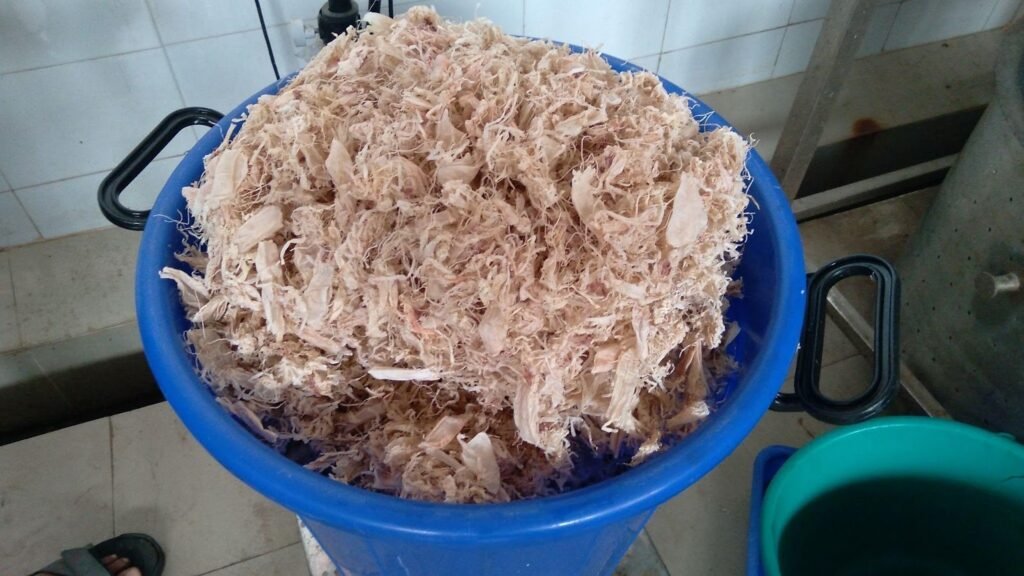
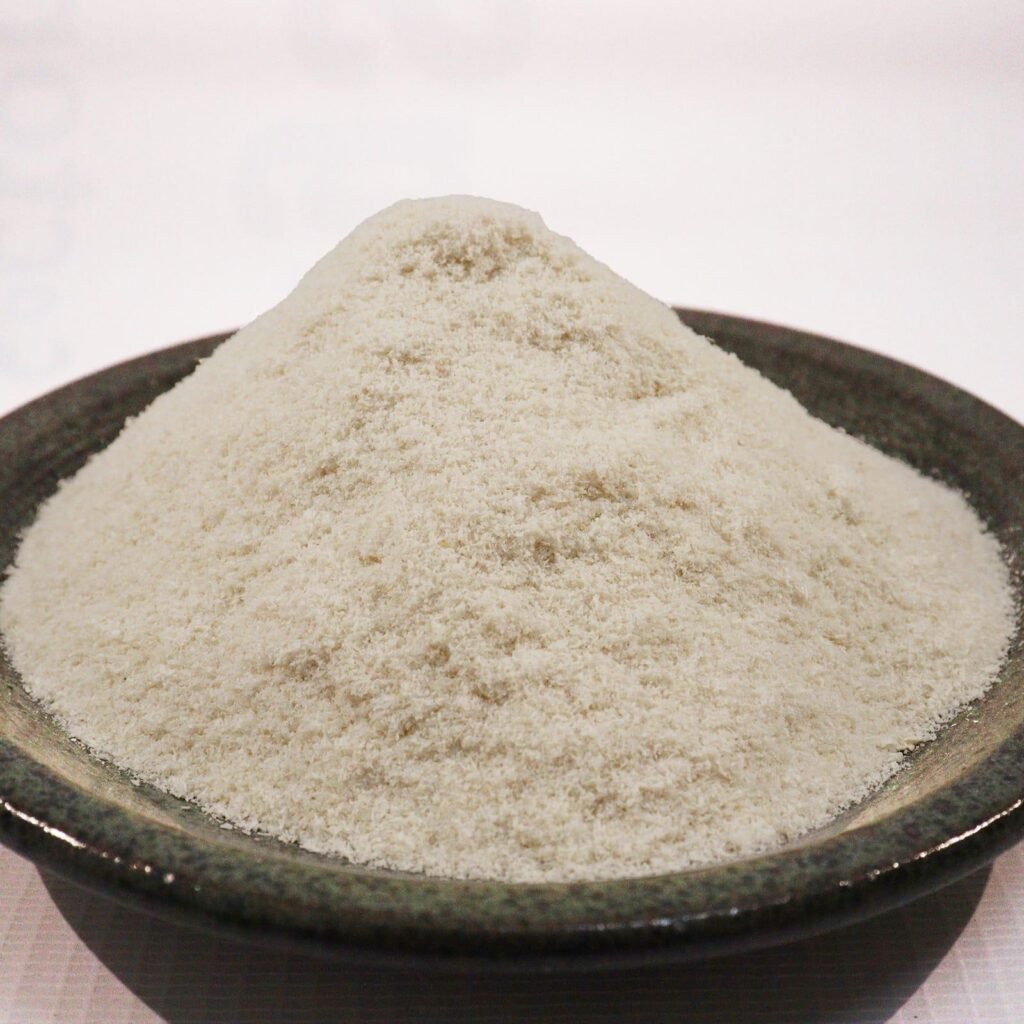
For almost 11 years at ICAR-Central Institute of Fisheries Technology, my main focus has been on converting fish processing waste into useful and valuable products. Instead of seeing fish waste as a problem, I see it as a resource with huge potential. My most important contribution has been developing technologies that are not only scientifically sound but also economically practical. Many research ideas remain only in laboratories or publications. I have always tried to take research one step further by proving that it can work at industrial scale. One of the biggest achievements in this direction is the establishment of India’s first shrimp shell biorefinery plant, with a capacity of processing 2 tons of shrimp shell waste per day. This plant uses a combined mechanical, chemical, and enzymatic process to recover both chitin and protein. Traditionally, shrimp shells were used mainly for low-value products, and most of the protein was lost.
Our method changed that. It increased profits nearly three times, improved resource use, reduced water consumption, and produced relatively cleaner wastewater. This showed industries that waste processing can be both profitable and environmentally friendly. Today, larger biorefinery plants with capacities of 25 to 40 tons per day are being planned in different Indian states. Several entrepreneurs are interested in adopting this technology. For me, this shows that science can directly support industry, sustainability, and national economic growth. I am grateful to the Institute and my research team for the support being rendered in this exciting research journey.
How can fish processing become more sustainable in India?
India’s seafood export industry is already quite advanced in processing edible fish products. However, the processing of fish waste is still not handled properly in many places. Large amounts of waste are dumped or poorly managed, causing pollution and financial loss.
Sustainability will improve only when we treat fish waste as a valuable raw material. Using modern technologies, fish waste can be converted into fertilizers, animal feed, proteins, enzymes, bioplastics, and health ingredients. Research institutions, industries, and government bodies processing must work together to modernize this secondary sector. When waste is fully utilized, fisheries will become more environmentally friendly, economically stronger, and socially beneficial. In simple words, sustainability is not only about protecting nature it is also about using resources wisely and completely.
Why are fish protein and bioactive compounds important?
Fish protein hydrolysates and bioactive compounds are gaining global attention because of their health benefits. These compounds can help in improving immunity, digestion, heart health, and overall nutrition. They are used in medicines, nutritional supplements, and functional foods. As people become more health-conscious, the demand for such products is increasing not only in cities but also in rural areas. Compared to land-based animal proteins, aquatic proteins are more sustainable and require fewer natural resources to produce. However, India needs stronger support for clinical research and faster technology development in this field. Many countries already have such products in the market.
Government programs should consider introducing these health products into public nutrition schemes such as mid-day meals and health missions. This will improve nutrition, reduce malnutrition, and create new industrial opportunities at the same time.
What limits industrial adoption of research?
There are three main challenges. First, many research projects stop after publication. Research should move beyond papers and aim to create real solutions that industries can use. Second, many institutions do not have pilot-scale facilities. Without pilot testing, industries hesitate to invest in new technologies. Third, industries sometimes lack trust in laboratory results because they are unsure whether the technology will work at large scale. These problems can be solved by building pilot plants, encouraging industry participation in research, and motivating researchers to develop economic business models along with scientific models. When industries see clear profit and reliability, they naturally adopt new technologies.
What skills should young researchers develop?
Fish processing science is multidisciplinary. Young researchers should learn communication, problem-solving, data analysis, regulatory knowledge, industrial processes, and basic business understanding. Most importantly, they should develop a mindset that focuses on solving real problems. Science becomes meaningful when it creates value for society. Students should learn to ask:
How can my research help industry, environment, and people? That attitude will shape successful scientific careers.
What is the future priority for India’s fish processing sector?
India should focus more on value-added products instead of exporting only raw frozen fish. At the same time, almost 40% of fish becomes waste during processing. If this waste is properly utilized, it can generate more than ₹50,000 crore per year. This is almost equal to India’s seafood export earnings. Therefore, the top priority should be fish and shellfish waste revaluation. Government schemes, startup funding, and industrial policies should strongly support secondary fish processing. This will create jobs, protect the environment, and strengthen India’s blue economy.
How has your work gained public and industry visibility?
Our work on shrimp shell biorefinery and fish waste utilization has been widely covered by research institutions, sustainability platforms, food industry journals, newspapers, and professional media. The institute has also taken the efforts and supported the dissemination of these technologies.
This visibility has helped explain to the public how waste can be converted into wealth. It has also shown policymakers and investors that scientific innovation can directly support the circular economy. Because of this exposure, many industries have shown interest in adopting the technology. New biorefinery projects are now under discussion in several Indian states.
Media coverage has also inspired students and young researchers to see fish processing science as an exciting and impactful field. For me, visibility is not about personal fame. It is about ensuring that scientific solutions reach society, industry, and decision-makers. When science is communicated well, it can influence policy, investment, sustainability, and national development.
What message would you give to young scientists?
There Science should not remain inside laboratories. It should walk into farms, factories, hospitals, and homes. Young scientists should believe that their research can change industries and improve lives. With patience, curiosity, teamwork, and commitment, they can build technologies that support food security, health, sustainability, and economic growth. India has huge potential. Science has the power to unlock it.