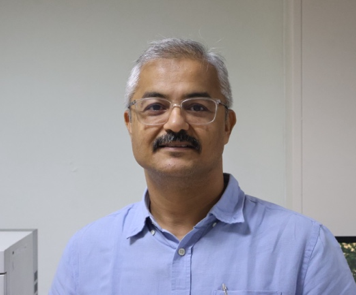
My research at the Indian Institute of Science Education and Research Kolkata (IISER-K) focuses on developing metal complexes as chemotherapeutic agents against cancer and disseminating their mechanism of action. We design kinetically inert complexes to resist deactivation by cellular thiols, an important limitation of clinical platinum drugs. Our goal is to maximize dose effectiveness while shifting the therapeutic target away from nuclear DNA to minimize mutagenic effects. By incorporating ligands derived from pharmacophores with stand-alone biomolecular activity, we ensure that even dissociated components retain drug-like function. This strategy has yielded promising complexes capable of even killing cancer stem cells. Our work has since expanded to include light-activated photodynamic therapy and proteomics-based studies to map pathway regulation during chemotherapy. A major outcome of this research in collaboration with Dr. B. Kiran Kumar (CCMB, Hyderabad), resulted in the paper “Peroxiredoxin Depletion and Oxidative Stress by Cyclometalated Ir(III)-Isatin Complexes Renders Ferroptosis and Autophagic Cell Death in Triple-Negative Breast Cancer”, highlighted in this issue.
“The future of cancer therapy depends on our ability to design molecules that learn, adapt, and outsmart disease one thoughtful experiment at a time.“
In my humble opinion, a key strategy in next-generation metal-based drug design should be to address the inherent promiscuity of small molecules by making them more target specific, enhancing the target economy of a single small molecule chemotherapeutic agent like a MIRV missile. Exploit the unique nature of metals (diverse oxidation states, coordination geometries, ligand-exchange kinetics) and combine with suitable organic pharmacophores to develop smart metallodrugs that can be target specific in intact form and with specific stimuli break into multiple active components, each capable of acting on distinct biological pathways. Thus, it leads to efficient utilization of a single drug molecule to modulate multiple therapeutic targets (molecular target economy) collectively producing a stronger and improved patient prognosis.
Looking back, I’ve come to realize that understanding the mechanism of action is not just a scientific necessity, it’s the soul of drug discovery. The road ahead may be long and uncertain no doubt, but every challenge you face will teach you something invaluable. Cancer is a remarkably adaptive adversary, constantly finding new ways to survive. Our mission, as researchers, is to design molecules that are just as clever and then a little smarter. Progress may seem slow at times but every small insight, every careful experiment, brings us one step closer to making a real and lasting difference. One should never lose sight of the purpose behind the work.