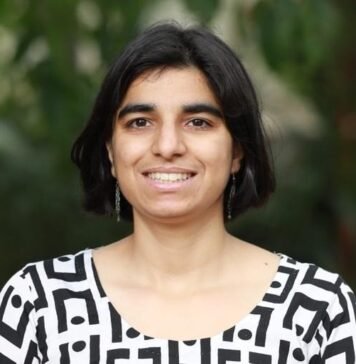
What inspired you to explore liposomal drug delivery systems for improving cancer treatment, and how did this idea develop over time?
The inspiration came from witnessing a fundamental contradiction in cancer therapy: we have powerful drugs that can kill cancer cells, but we often cannot use them at their full potential because they harm healthy tissues too severely. Paclitaxel, one of our most effective breast cancer drugs, exemplifies this paradox perfectly. It works brilliantly in the laboratory, but its extremely poor water solubility and severe side effects limit how much we can safely give to patients.
I remember reading about the challenges oncologists face when patients must stop treatment not because the drug isn’t working, but because the toxic solvent required to dissolve paclitaxel causes unbearable side effects. That seemed fundamentally wrong. If the drug works, why should the delivery vehicle be the limiting factor?
The idea developed through collaboration across multiple institutions from SRTMU Nanded to the International Medical University in Malaysia. We weren’t looking for incremental improvements; we were asking whether fundamentally rethinking drug packaging could change therapeutic outcomes. Liposomes tiny spherical particles made from the same materials as our cell membranes offered an elegant solution: wrap the drug in something the body recognizes as natural, control how it releases, and guide it preferentially to cancer cells.
What started as a hypothesis about improving solubility evolved into a comprehensive platform addressing multiple therapeutic challenges simultaneously: better drug stability, controlled release, enhanced cellular uptake, and reduced systemic toxicity.
In simple terms, could you explain how liposomes help improve the effectiveness and safety of drugs like paclitaxel?
Think of liposomes as microscopic “smart packages” for medicine. Imagine trying to deliver a water-hating substance through your bloodstream, which is mostly water it simply won’t dissolve or travel effectively. Conventional paclitaxel formulations solve this by using harsh chemical solvents that themselves cause severe allergic reactions and nerve damage.
Liposomes work differently. They’re hollow spheres made from phospholipids the same fatty molecules that form your cell membranes. The drug sits inside this protective shell, shielded from the watery environment of blood. This solves the solubility problem without toxic solvents.
But liposomes do much more than just package the drug:
Controlled Release: Instead of dumping all the medicine at once, liposomes release it gradually over hours or days, maintaining effective drug levels longer while avoiding toxic peaks.
Preferential Accumulation: Tumor blood vessels are “leaky” compared to normal vessels they have larger gaps. Nanoparticles like our liposomes (about 142 nanometers in diameter) slip through these gaps and accumulate in tumors preferentially. Normal tissues with intact blood vessels don’t accumulate as much drug.
Cellular Entry: Cancer cells actively engulf nanoparticles through a process called endocytosis—essentially, the cell membrane wraps around the particle and pulls it inside. Our studies showed 4.2-fold more drug entering cancer cells this way compared to free drug.
Bypassing Resistance: Many cancer cells pump chemotherapy drugs back out using “efflux pumps.” When packaged in liposomes, drugs enter through different pathways that bypass these resistance mechanisms.
The net result: more drug reaches cancer cells, stays there longer, and healthy tissues are exposed to less. That’s the difference between a therapy patients must discontinue and one they can complete successfully.
How does your research show improvements in drug delivery, cellular uptake, and cancer cell targeting compared to conventional treatments?
Our research provided quantitative proof across multiple dimensions:
Enhanced Potency: The liposomal formulation achieved an IC₅₀ (the concentration killing 50% of cancer cells) of 0.09 µg/mL against MCF-7 breast cancer cells 54% more potent than free paclitaxel at 0.139 µg/mL. This isn’t a small improvement; it means achieving the same cancer-killing effect with nearly half the dose.
Superior Cellular Uptake: Using fluorescent imaging and flow cytometry, we demonstrated 4.2-fold higher drug accumulation inside cancer cells with liposomal delivery. This wasn’t theoretical we could literally see and measure more drug entering the target cells.
Sustained Activity: Perhaps most clinically relevant, the potency improved over time. At 24 hours, free paclitaxel appeared more potent (IC₅₀: 0.026 µg/mL), but by 48 hours, our liposomal formulation surpassed it dramatically. This time-dependent enhancement reflects controlled drug release maintaining therapeutic levels while free drug gets metabolized or pumped out of cells.
Mechanistic Validation: We confirmed the drug was working through proper mechanisms:
– 2.96-fold increase in G2/M phase arrest (cancer cells stuck at a critical cell division checkpoint)
– 2.8-fold activation of caspase-3 and 3.1-fold activation of caspase-9 (molecular executioners of programmed cell death)
– 68% reduction in cancer cell invasion through extracellular matrix suggesting anti-metastatic potential
Selectivity Improvement: When tested against normal fibroblast cells, the liposomal formulation showed a selectivity index of 2.7, meaning it preferentially killed cancer cells over normal cells. While not dramatically high, this selectivity combined with lower required doses suggests improved safety profiles.
Stability and Manufacturability: Three-month stability testing showed minimal changes in particle size (+10.2%), drug content (-6.3%), and surface charge demonstrating this isn’t just effective in theory but feasible for practical pharmaceutical development.
During your study, what was the most surprising or significant finding that stood out to you, particularly in terms of enhanced cytotoxicity or reduced side effects?
The most surprising finding was the temporal evolution of cytotoxicity how the liposomal formulation became more effective over time while conventional paclitaxel lost potency. This contradicted initial expectations.
We anticipated liposomes would provide steadier, more sustained activity, but the magnitude of improvement was unexpected. At 24 hours, free paclitaxel looked more potent. By 48 hours, our formulation was 54% more effective. This time-dependent enhancement suggests something fundamentally different is happening at the cellular level.
Through microscopy, we watched this unfold visually: liposomal paclitaxel-treated cells showed progressive morphological changes from early membrane destabilization at 12 hours to extensive fragmentation and detachment by 48 hours. Free paclitaxel at equivalent concentrations produced far less pronounced effects, requiring doubled concentrations to match what liposomes achieved.
The mechanistic surprise came from invasion assays. We expected to see cancer cell killing, but the 68% reduction in invasive capacity was remarkable. Cancer deaths aren’t primarily from the original tumor they’re from metastatic spread. That our formulation not only killed cancer cells but also impaired their ability to invade surrounding tissues suggests dual therapeutic benefit: addressing both primary tumor growth and metastatic potential.
From a safety perspective, the finding that surprised and encouraged us was achieving superior efficacy at lower concentrations. In pharmaceutical development, you often face trade-offs between effectiveness and toxicity. Here, we saw both moving in favorable directions simultaneously a rare and therapeutically valuable outcome.
How do AI-assisted tools such as PCA, Grad-CAM, or machine learning models help in understanding and improving treatment outcomes?
Integrating AI into pharmaceutical research represents a paradigm shift from intuition-guided to data-driven discovery. Let me explain how each tool contributed:
Principal Component Analysis (PCA): Imagine analyzing cell cycle data across hundreds of measurements with three phases (G0/G1, S, G2/M) per sample. Traditional statistics compare individual variables, but PCA reveals the overall pattern. It showed us that 94.7% of the variation between treated and untreated cells could be explained by just two factors, with G2/M arrest being the dominant driver (78.3% of variance). This confirmed our mechanism was precisely targeting cell division, not causing random cellular chaos.
Gradient-Weighted Class Activation Mapping (Grad-CAM): Human microscopy is brilliant but subjective. Two scientists examining the same image might focus on different features. Grad-CAM uses convolutional neural networks (the same AI behind facial recognition) to highlight which parts of cell images most strongly indicate apoptosis. The heatmaps it generated consistently pointed to membrane blebbing, cytoplasmic condensation, and nuclear fragmentation—the canonical features of programmed cell death. This provided objective, reproducible validation of our morphological interpretations.
Random Forest Regression: We used this machine learning algorithm to model the relationship between concentration, time, formulation type, and cytotoxic outcome. It identified time and formulation as primary determinants of potency, enabling predictive modeling: given a new concentration and timepoint, the model estimates expected cell killing. This is invaluable for experimental design optimization and quality control during manufacturing.
The broader value: AI doesn’t replace scientific expertise it amplifies objectivity, reveals patterns invisible to human analysis, and provides reproducible validation. In regulatory submissions and clinical translation, this rigor is increasingly essential.
What are the next important questions in this field, and what still needs to be addressed before such technologies can be widely used in clinical practice?
The path from promising laboratory results to patient benefit requires addressing several critical questions:
In Vivo Validation: Our cell culture results must translate to living organisms. Does the formulation accumulate in tumors? How do pharmacokinetics, biodistribution, and tumor penetration compare to free drug in relevant animal models? What is the maximum tolerated dose, and what are the true safety margins?
Active Targeting: Current liposomes accumulate in tumors passively through leaky vasculature. Can we enhance selectivity by attaching targeting molecules antibodies, peptides, or small molecules that specifically recognize cancer cell markers like HER2 or folate receptors? This could dramatically improve the therapeutic index.
Combination Strategies: Cancer rarely succumbs to single agents. Can we co-encapsulate synergistic drugs with different mechanisms? How do we engineer sequential release to deliver drugs in the optimal temporal sequence?
Manufacturing Scale-Up: Our laboratory synthesis produces milligrams. Clinical trials require grams; market supply requires kilograms. Can we maintain quality, consistency, and cost-effectiveness at scale? Quality-by-Design approaches and process analytical technology will be essential.
Regulatory Pathway: Liposomal formulations face complex regulatory considerations. What stability testing, impurity profiling, and batch release criteria satisfy regulatory agencies? How do we design clinical trials that properly demonstrate superiority over existing treatments?
Resistance Mechanisms: Eventually, cancers may develop resistance even to improved delivery systems. What are the resistance mechanisms, and how do we pre-emptively address them?
Personalization: Breast cancer encompasses molecularly distinct subtypes. Can AI help predict which patients benefit most from liposomal therapy based on tumor genomics, metabolomics, or other biomarkers?
The convergence of rational nanocarrier design, mechanistic pharmacology, and artificial intelligence creates unprecedented opportunities. The question isn’t whether nanomedicine will transform cancer therapy it’s how quickly we can navigate from laboratory proof-of-concept to clinical reality through rigorous, systematic validation.