‘Female beauty’is always seen to improve about the age of puberty; but, if we should attempt to define in what this beauty consists or what constitutes its perfection, we should find nothing more difficult to determine.’ Oliver Goldsmith `An History of the Earth, and Animated Nature‘.
Vol. 2. London: J. Nourse, 1774, p. 76
Beauty has fascinated philosophers, artists, physicians, and scientists for millennia. It should be understood as dynamic shaped by both biological features and cultural evolution rather than as universal or immutable standards. Michel Foucault (1926–1984) stated that the human body is not ‘naturally’ given, but a historical, social and cultural construct in which power and knowledge inscribe themselves, and so is female beauty. Beauty standards are norms, values, and expectations established by culture and society that define what it means to be considered beautiful. In recent times the social media have an immense impact on what is recognized as beautiful, attractive and desirable.
Key message
The female beauty ideal refers to societal standards and perceptions regarding the appearance of women, which vary significantly across different cultures, ethnicities, and historical periods.
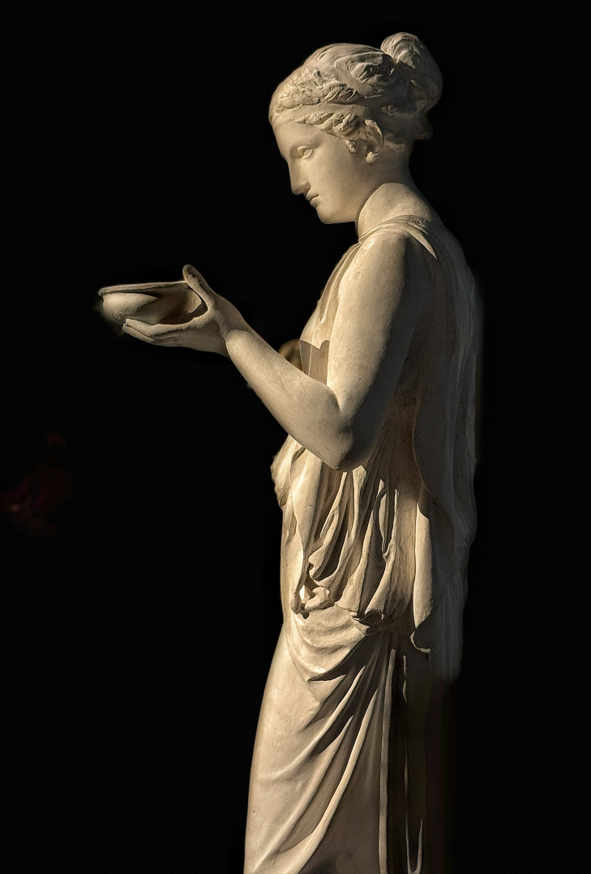
Looking back to antiquity, beauty was not limited to appearance or attractiveness. It always contained a symbolic importance and a philosophical background in ancient Egyptian, Greek or Chinese culture. The Greek philosopher Plato (428-348 BC) claimed that all human bodies share the quality of beauty. He believed in the distinction between the noble beauty of the soul and the wickedly tempting beauty of the body. In ancient Imperial Rome elite women were expected to have fair skin and long hair, with a preference for fuller, more curvaceous figures. Beauty reflected the status of women of the imperial court and Vestal Virgins which went far beyond the claim to please the spouse.
It is worth mentioning that the concepts of beauty multifaceted. For instance, roundness was perceived as an autonomous aesthetic model of female beauty in Africa while in ancient Egypt slender arms and legs and a faint female breast had been admired.
The European Middle Ages (5th–15th centuries) changed the view on female beauty dramatically. Under the influence of Christian theology physical beauty became secondary to spiritual virtue, modesty, and moral purity. Indeed, artificial or enhanced beauty was considered sinful and inspiring lust. Pale fair skin, a high and exposed forehead, finely plucked eyebrows, and long, blonde or sandy hair became standards of Gothic art. The ideal female beauty was closely linked to sanctity rather than sensuality.
During Renaissance (15th–16th centuries) beauty was viewed as an outward reflection of inner virtue. The standard of femalee beauty prized fair skin, rosy cheeks, thin or plucked eyebrows, and long hair. Women used epilation or shaving of the hairline to gain a high polished forehead. Thinness was considered a sign of illness. The ideal body was full and curvaceous, featuring wide hips and a rounded belly, symbolizing health, prosperity, and fertility.
In the Baroque period (17th century) beauty was defined by opulence and intense emotion. Characterized by dynamic curves, the prevailing standard of beauty viewed the human form as a reflection of divine drama and earthly prosperity. The female ideal was celebrated through a lush, voluptuous physique with generous proportions; rounded bellies, wide hips, abundant soft tissues and skin with a soft glow were prized.
During Enlightenment (18th century) philosophical aesthetics was founded by Alexander Gottlieb Baumgarten (1714–1762), who defined beauty (pulcritudo) intellectually as the ‘perfection of sensory cognition’ (perfectio cognitionis sensitivae). In France the Enlightenment debates linked beauty and aesthetic qualities to political, philosophical and spiritual values as reflected exemplary by Madame de Pompadour (1721-1764). This examples nicely demonstrates that physical beauty presented an element of risk and unpredictability into the world of social hierarchy.
The nineteenth century combined Romantic ideals of emotional beauty with Victorian concepts of modesty and domestic virtue. Women took control of their bodies, manipulating their shapes through diet, fashion, and exercise. Rosy cheeks, full lips, and a tiny waist were considered hallmarks of beauty. Clothing, like the corsets, played a significant role in body shaping.
The 20th century broke with established beauty standards. From the Roaring Twenties with slender women with long limbs and a relatively flat chest reflecting women’s emancipation and shifting social roles to the mammary madness with an obsessive focus on women’s breasts and its symbolic and erotic import in Post-World War II US America. Social media (press, film and TV) discovered female beauty as a well selling subject. A whole industry of cosmetics and pharmacy participated from the desire of beauty with partly questionable products such as whitening or breast creams. The popularity of the British model Twiggy (born 1949) testified to the influence of youth culture in the late 1960s. By the 1980s and 1990s, physical fitness, toned musculature, and athleticism became increasingly valued, reflecting broader cultural emphasis on exercise and health.
Key message
The female beauty ideal often represents unachievable standards. This unattainable increasingly standardized ideal is often influenced by social media and virtual digitalized images while diversity of beauty is still largely missing.
In the 21st-century traditional, rigid moulds and standards are being broken, replaced by an era of radical self-expression. Body modifications with tattoos and piercing have become increasingly popular. Rather than pursuing a classical ideal, modern beauty is highly fluid and influenced by globalization, digital image editing, and advances in aesthetic medicine.
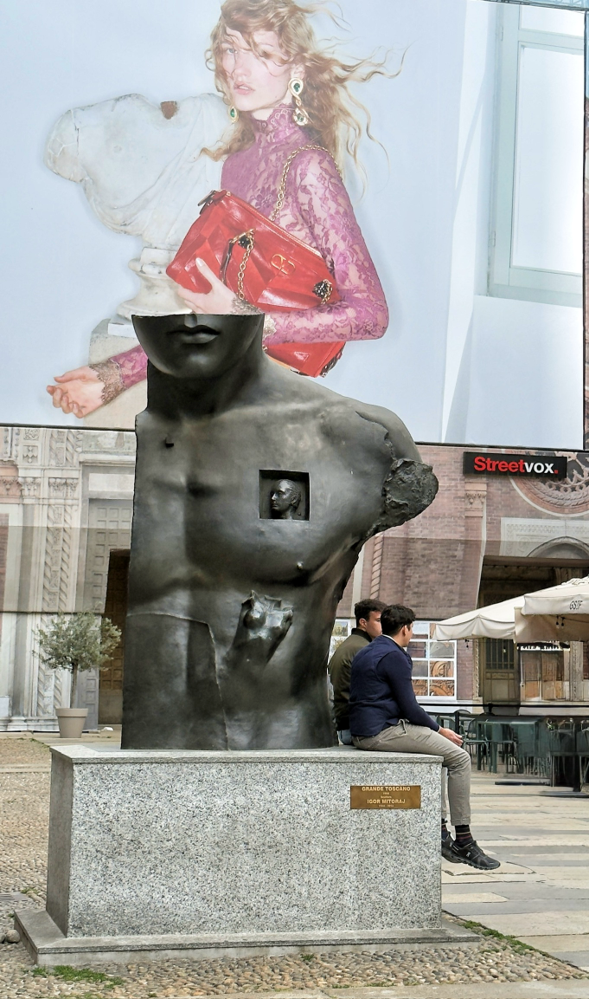
Since antiquity, female beauty has been considered a product of art and only artistic intervention can carry to perfection. Art is now replaced by arbitrary virtual images in social media. Selfies are all the rage. Aesthetic standards prevalent in the virtual realm are prized —characterized by full lips (often bordering on the exaggerated), sculpted cheekbones, and flawless, filter-like skin („ Instagram faces “). In people with skin of colour skin whitening still plays an important role. Digital platforms can amplify highly curated or manipulated images, contributing to unrealistic expectations regarding skin quality, body proportions, and everlasting youthful appearance. Unfortunately, there is abundant misinformation on procedures and outcome. Body dissatisfaction is rising posing serious health risks.
In a recent investigation on beauty standards of the fashion industry revealed that physique ideals remain stable, despite diversification of media and fashion representation. It seems that beauty has become a consumer product dictated by brands. But this is not beauty, it’s appearance only. Inclusion of a diversity of beauty concepts is still a challenge.